


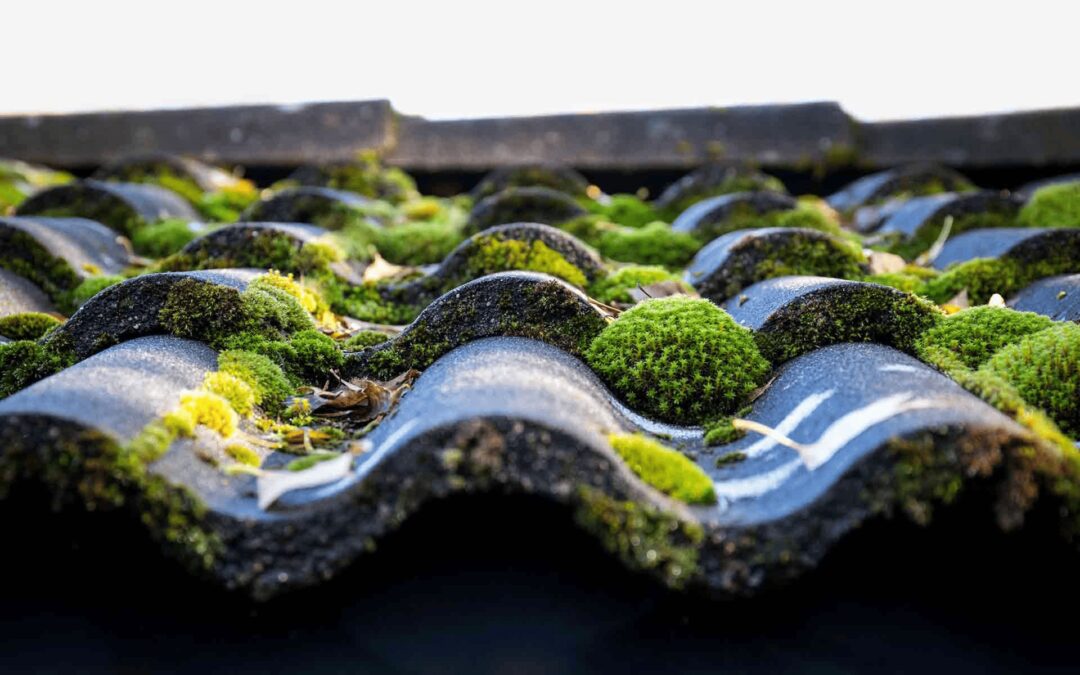
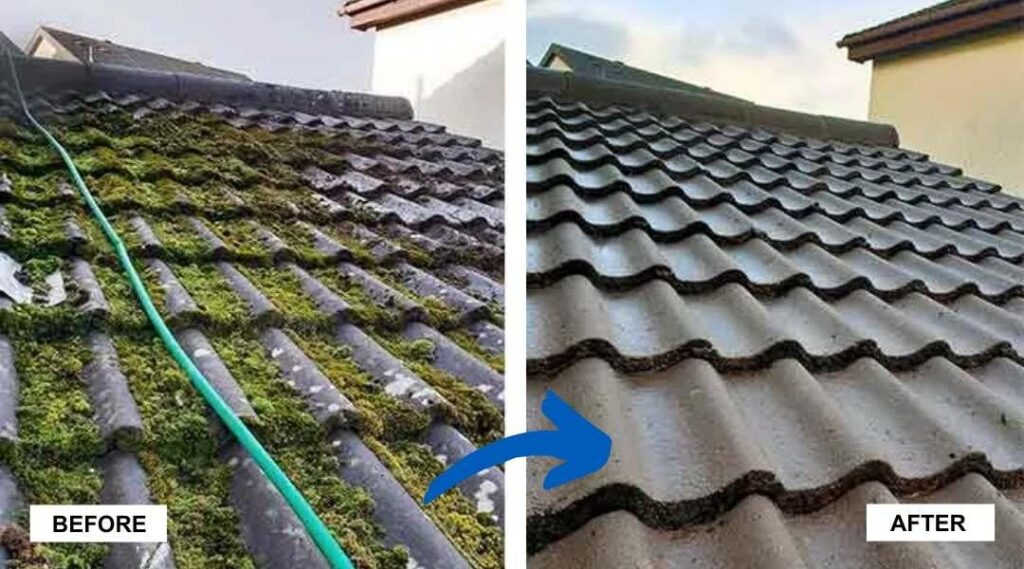
Picture waking up one fall morning with a cup of coffee in your hands, looking up at your wonderful house, only to realize that your roof has a green fuzz carpet spreading across your shingles. Although it appears to be the start of a fairytale, the homeowner’s journey is actually coming to an end.
Moss is a live organism that erodes your home’s foundation, making it an issue that goes beyond aesthetics. In this guide, we’re going to take an in-depth look at the enigma of the green funk. We’ll discuss a few things, such as why moss grows on roofs and, perhaps more crucially, how to recover your house from this. force of nature. Whether it’s roof moss causes or the top roof moss prevention methods that have you looking for a solution, you’re in the right place.
The Story of the Uninvited Guest
Every home has a story, and sometimes that story includes an unexpected visitor—moss. Of course, this guest means well, but usually, by the time you notice its presence, the entire north side of the house will be under its possession. So, the question here arises, ‘Why?
When you moved into your house, I am sure that battling a primaeval plant was not on your to-do list. Growing moss is like a slow-moving fire that destroys your shelter’s framework. To protect your property, as well as the safety of your loved ones, it’s essential to know the reason behind the growth of moss on your roof.
The Great Mystery Solved: Why Moss Grows on Roofs and What it Means for Your Home
To explain the phenomenon of moss growth on a roof, it is important to consider the biology of moss. Unlike grass, moss does not grow in soil and root systems in the manner to which we are accustomed. It has “rhizoids” instead of roots. It also doesn’t need soil. It just needs some breakfast and a place to flourish. And that’s exactly why moss grows well on a roof.
Nature’s Perfect Storm: Shade, Moisture, and Climate
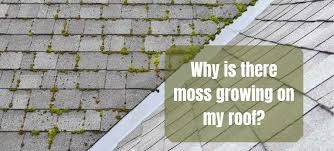
The most important factor that leads to the growth of moss on roofs is moisture and shade. Mosses usually grow under high levels of moisture and shade. If water tends to persist on roofs even after a rainstorm due to tree shadows or roof orientation, you may be assembling a 5-star hotel for mosses to thrive. In regions where it’s always drizzling, the breeding environment becomes steady. This explains why mosses resultantly grow on roofs.
The “Tasty” Roof: The Materials Most Prone to Growth
Each roof type cannot be measured along the same scale. Roofing material such as wood shakes and shingles has the shortest ladder to be climbed because it is composed of natural and porous material. Asphalt shingles cannot be considered far behind because of their popularity as roofing material. Many of these shingles now contain limestone. Indeed, it has been discovered that moss consumes it.
The Calendar of Growth: Seasonal Factors
Moss does not require much sleep, especially in winter. In fact, many species of moss thrive during the cool and wet seasons of late autumn and early spring. Your lawn is going dormant at a time when the moss on your roof is working hard. This is why moss tends to thrive on your roof when you think that the “growing season” is over.If you want to keep your house safe, you need to keep an eye on your roof right now.
Uncovering the Reasons for Roof Moss Growth: Potential Dangers for Your Roofing
It is only by getting to the bottom of your problem that you can be assured your roof will last for its full life span. If you don’t figure out “why,” moss will re-infiltrate your roof, costing you money and time.
The Gutter Trap: Poor Drainage and Clogged Systems
One of the most commonly overlooked sources of roof moss growth is an ineffective gutter system. When the roof gutters are filled with needles and tree leaves, the water overflows onto the lower edge of the roof. This provides the wet conditions necessary for the shingles to soften and develop the “wet zone” where moss can begin to grow in abundance. This is why roof moss tends to start growing in the eaves of roofs. Keeping your roof gutters clean is one of the most effective methods of roof moss prevention.
The Debris Blanket: Leaves and Branches
When your roof is covered with leaves and twigs, it functions much like a sponge. It will suck up water from rainfall, keeping your roof shingles from drying off. It is this damp “blanket” that contributes greatly to moss growing on your roof if you live in an area where there are lots of trees. A clean roof means that it is also dry, and a dry roof means that it has less moss.
The Process of Aging: Wear and Tear on the Roofing
The aging roof leads to wear-off of the granules on roofing shingles. This increases the chances of growth since it provides a foothold on which the moss advances.
If your roof has gone beyond more than 15 years, you should expect to witness a high level of growth on such roofs. This process of aging makes it easier for moss to grow on roofs.
Taking Back Your Home: How to Prevent Moss on the Roof and Protect Your Property
Since we now understand why moss grows on roofs, let’s discuss ways to solve this problem. It shouldn’t be necessary for you to live with a green roof. With an active plan in place, you can shield your roof shingles from moss growth, guaranteeing your home will be attractive for many years.
Expert Roof Moss Prevention Tips You Need to Know
If you want to know how to prevent moss on the roof, start with the “Three S’s”: Sunlight, Sweeping, and Spacing.
Sunlight: Cut back overhanging tree branches to allow the sun to shine on your roof. Sunlight is a moss enemy and aids by naturally drying the roof.
Sweeping: Debris should be regularly swept away using a soft broom or leaf blower to avoid any accumulation. This is one of the best roof moss prevention tips because it helps prevent the buildup of moisture.
Spacing: Allow for wind on all sides of the house to allow the roof to dry quickly after rain.
The Success Blueprint Cleaning and Maintenance Schedule
Consistency is vital. We advise the inspection of the roof twice a year: in the spring, for any winter damage, and in autumn that all debris is cleared before the rainy season starts. Quite simply, following a strict schedule is possibly the most assured way regarding how to prevent moss on roof growth from becoming a structural nightmare.
Future-Proofing: Using Moss-Resistant Roofing Materials
If you’re re-roofing, you can purchase “Algae-Resistant” (AR) shingles. These are manufactured with copper granules baked into the surface. These granules slowly release ions that are toxic to moss and algae-an effective built-in defense system. This goes a long way in understanding the core reason why moss grows on roofs by making the environment inhospitable.
The Metal Shield: Zinc or Copper Strips for Moss Control
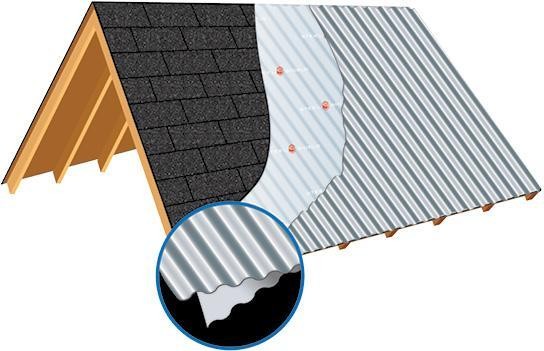
One popular trick among pros is to install zinc or copper strips at the peak of the roof; whenever it rains, water washes over the metal and picks up metallic particles. Those particles act as a natural herbicide by killing moss spores before they grow. This ranks as one of the top-rated roof moss prevention tips because it works passively 24/7.
The Financial Impact: Why Moss Grows on Roofs and Destroys Value
Let us talk openly about the possible harm. When we do not consider the reason for the growth of moss in structures, it means we do not consider the home’s security. Moss eats homes.
The Underappreciated Consequences of Moisture Retention
The cause for the growth of moss on the roofs is moisture, but the reason why it is a problem is that the moss retains the moisture against the roofing material. The moisture seeps into the roofing material in the long run. The moisture also freezes in cold climates, and the resulting expansion causes the shingle to break down from within.
Impaired Curb Appeal and Property Value
If at any time you decide to sell your home, a roof is the first thing a potential buyer sees. The presence of moss on a roof is indicative of lack of maintenance. The new home buyer may be puzzled about other things the owner has not taken care of. Carefully follow these home remedies to maintain the “like new” look of a roof to attract buyers.
H2: The Battle Plan: How to Prevent Moss Growth On Roof Starting Today
To start fixing your roof, you don’t have to be like the experts you see on the roof repair shows on television. You can begin today using easy methods that will identify the reason why moss grows on roofs in the first place.
Step 1: The Observation Phase
Take a walk around your house. Which side of the roof grows the most moss? Is it under a giant oak tree? Does it only occur around gutters? These are all aspects of the roof moss causes, and knowing them helps you address them accordingly. This is why moss grows on a roof in certain patterns and not all around.
Step 2: The Gentle Clean
If you have moss on hand, don’t worry. Use a mix of water and a roof-friendly moss remover. Instead of using bleach, which might harm other vegetation, use something else. Knowing how to keep moss off a roof requires learning when to clean and when to replace.
Step 3: Long-term Mitigation
After the roof has been cleaned, you now put the zinc roofs or trim the trees. This makes sure that the sources of the growth of moss roofs are eliminated. It is easier to prevent the growth rather than fighting a losing battle every year.
Why Moss Grows on Roofs: A Biological Perspective to Prevent It Effectively
Mastery of the technique of how one will be able to keep moss off your roof will involve some basic understanding of the biology of the spore. It will make spores to reproduce by blowing in the wind. In fact, at this very moment, they are landing on your roof.
Importance of pH & Nutrients
Moss grows in a little acidic pH. That’s the reason moss will grow on the top of roofs where there is an accumulation of pine needles, which by nature are acidic. Keeping the roof tops clean will have an effect on the pH. This will be the most effective way in which the growth of moss on the roof.
The Rhizoid Grip
Unlike roots that search for water, rhizoids are purely for attachment. Once they hook into the grit of your shingles, they are very difficult to remove without taking some of the shingles with them. This is why moss grows on roofs and causes such rapid physical deterioration. Preventing the attachment in the first place is the ultimate way to prevent moss on the roof.
Role of Professional Care in Roof Health
While being wonderful for maintenance, sometimes you have to call in a professional. Roof specialists know all the intricacies of why moss develops on roofs in your particular microclimate.
Why Professional Treatments Last Longer
In most cases, Professionals offer industrial-strength and environmentally friendly moss treatments that are also more penetrating than their commercial counterparts. In addition, they can point out structural weaknesses that could be attributed to roof moss growth. This is the reason moss is more likely to be seen on the roofs of derelict buildings compared to buildings under professional management.
Insurance & Warranties
By hiring a professional, you are able to ensure that your roof warrantees are not voided. Most manufacturers will void your roof warrantees if they realize your roof is being washed improperly (pressure washed). To ensure your home is safe, it is recommended that you follow the roof manufactures’ guidelines on keeping moss away from roofs.
Conclusion
And finally, wrapping up our story, moss is not an opponent that you can never beat. Moss is simply an indicator of excessive moisture being retained in your roof. If you deal with the issues under which moss grows, such as shade, debris, and improper roof drainage, you can keep your home looking like a sharp-tipped sword.
Remember, your house is the result of your hard work. Keeping it moss-free is more about “preserving your future” rather than just “cleaning.” Every penny you spend on roof moss prevention tips means you save it on future repairs. Always stay one step ahead of the moss. Always stay dry. Always remember why moss grows on the top of your roof.
Frequently Asked Questions (FAQs)
1. Why does moss grow more on one side than the other?
Moss usually grows on the north-facing side of a roof because it receives the least amount of direct sunlight. This keeps the area damp for longer periods, providing the perfect environment for moss to thrive. This is a common challenge in shady neighbourhoods.
2. Can I use a pressure washer to remove roof moss?
Absolutely not! Using a pressure washer can strip the protective granules off your shingles and force water under the roof deck. This does more damage than the moss itself. Use a gentle chemical treatment or a soft brush instead.
3. How often should I check for roof moss?
You should inspect your roof at least twice a year—once in the spring and once in the fall. Early detection of roof moss causes is the best way to prevent problems from escalating.
4. Are zinc strips safe for the environment?
Yes, when used correctly. The amount of metal released is very small—just enough to discourage moss growth without harming your lawn or local groundwater. It’s a sustainable way to maintain your roof.
5. Will moss go away on its own during a dry summer?
No. While moss may turn brown and go dormant in the heat, it won’t disappear. As soon as the rain returns, it will soak up the moisture and continue growing. This is why moss grows on roofs year after year if not treated.
Recent Comments