



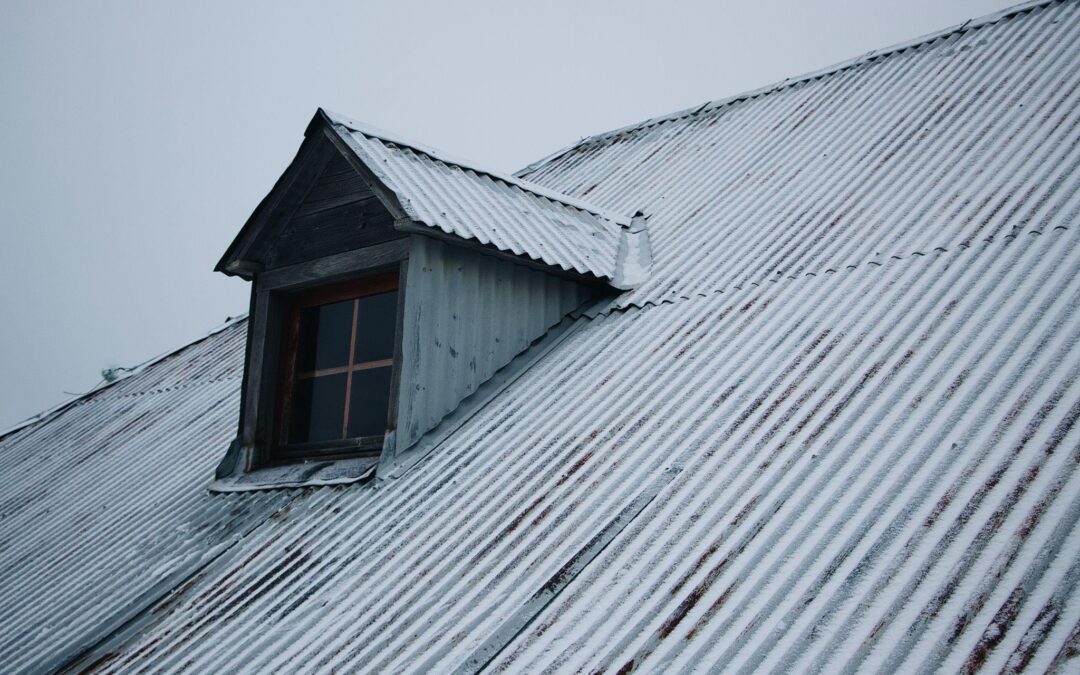
A home in Oregon has its own unique character with its vibrant green color, freshness from the rains, and unique weather pattern. However, this same weather can also have a negative impact on your roof if you do not take the necessary precautions. During the winter, heavy rains will soak your roof; during the summer, the heat from the sun will dry out and cause damage over time; and in the fall, debris from trees can fall onto your roof causing damage.
Because of this, seasonal maintenance of your roof is an absolute must; it’s not swayed by what season it is! By maintaining your roof on a seasonal basis, well before any leaks, moss, or expensive repairs will occur, all homeowners will see the benefit of following seasonal maintenance recommendations.
Think of your roof as a shield. Take care of it on a year-round basis so that it lasts for decades to come! This guide will serve as your seasonal roof maintenance resource with recommendations specific to Oregon roofing needs. We will provide you with real-life examples, practical steps, and simple things you can do to maintain your roof in every season of the year (Spring, Summer, Fall, and Winter).
Spring Roof Care: Beware of Your Roof after a Long Winter
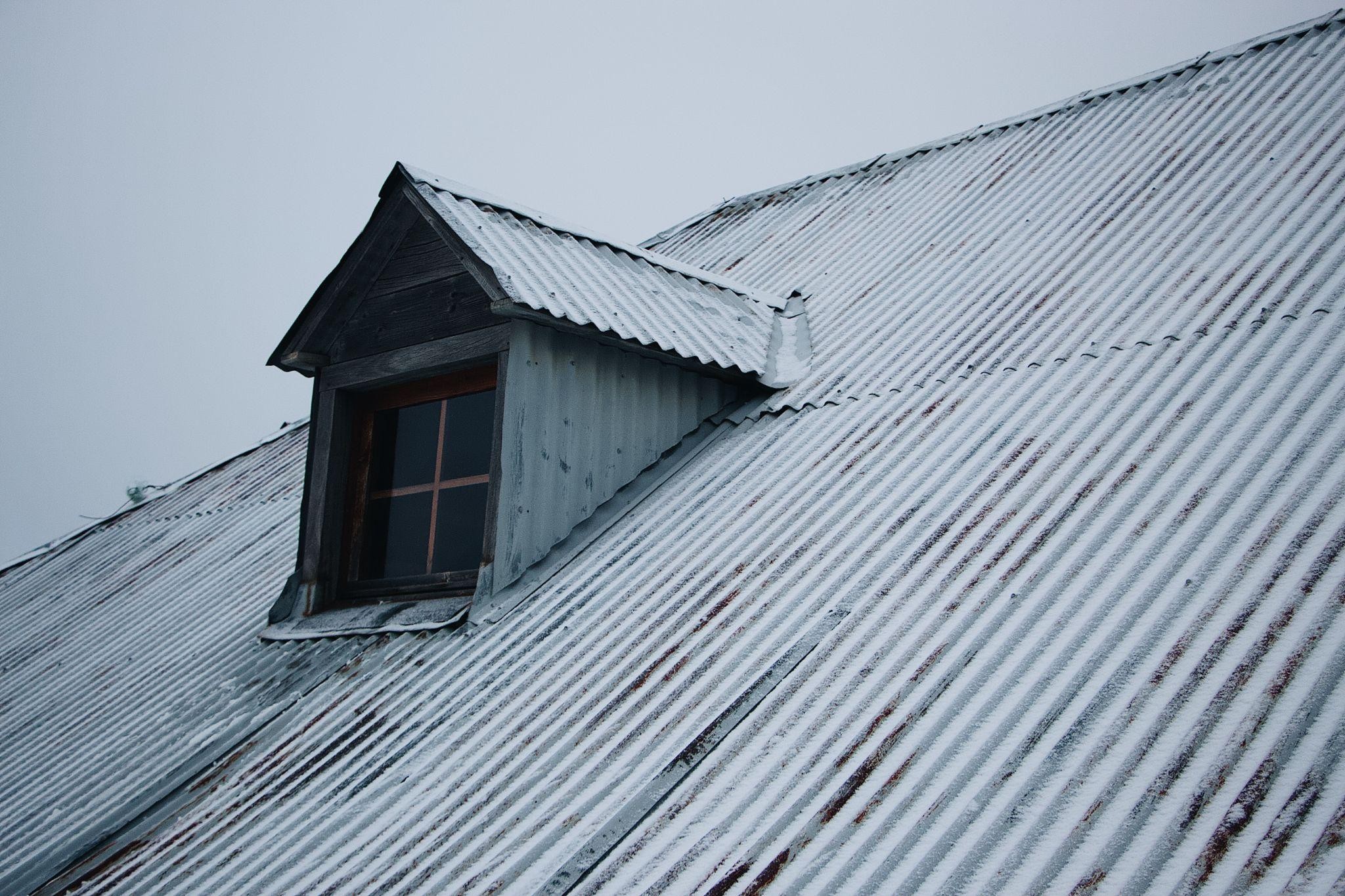
In Oregon, spring brings a sense of renewal to the Mountain region, but it’s also time to conduct an inspection of your roof. Your roof may have sustained damage over the winter months, due to wind, rain, and cold temperatures. Following these roof maintenance tips will allow you to identify and correct problems early enough to avoid more extensive repairs later.
Before Winter Damage Becomes Permanent, Inspect Your Roof
The winter storms may have created many problems on your roof including; loose shingles, cracked flashings, and small leaks that can become larger over time. One of the most important spring maintenance tips is to perform a thorough inspection of your roof.
When performing an inspection, look for:
- Missing shingles
- Curling shingles
- Damaged chimney flashings
- Hole or stain marks on ceiling or attic wall
The earlier you find small problems, the cheaper it is to fix them, and that is one of the fundamental principles of roof care in Oregon weather.
Keep Your Gutters Clean and Remove Debris From the Winter
Gutter blockages are one of the leading causes of roof damage in Oregon, as leaves, pine needles, and debris retain moisture which accelerates the rotting process and causes leaks.
To best care for your roof in the spring; you should:
- Clean out the gutters and downspouts.
- Check for sagging or loose sections of gutter.
- Make sure all the water flows away from your foundation.
By cleaning your gutters, you not only maintain your roof but also the structure of your home. This is one of the easier spring cleaning projects that has long-term benefits.
Tips to Maintain Your Roof During Summer to Minimize Damage from Heat and Drought
You may think summer is a time of peace for your roof, but in fact, summer is also one of the most stressful times for your roof. Your roof endures stresses from exposure to the sun, from the heat expanding the roofing materials, and from storms that often occur during the summer. To be proactive about maintaining your roof and minimizing the risk of hidden damage, you should perform some basic maintenance tasks on your roof during the summer.

Sun Damage and Hidden Leaks
While Oregon has milder summer temperatures than many states in the western United States, the sun’s ultraviolet rays always weaken roofing materials over time. Some of the most common roof maintenance tasks to accomplish during the summer months are to check for,
- Broken or brittle shingles.
- Fading of colors on the roofing system.
- Evidence of moisture in the attic.
In general, leaks will not show themselves. A leak can sit dormant until the first rains of the fall season come along. Make sure to conduct routine inspections of your roof to be able to maintain an effective roof for many years in Oregon.
Trimming Overhanging Branches
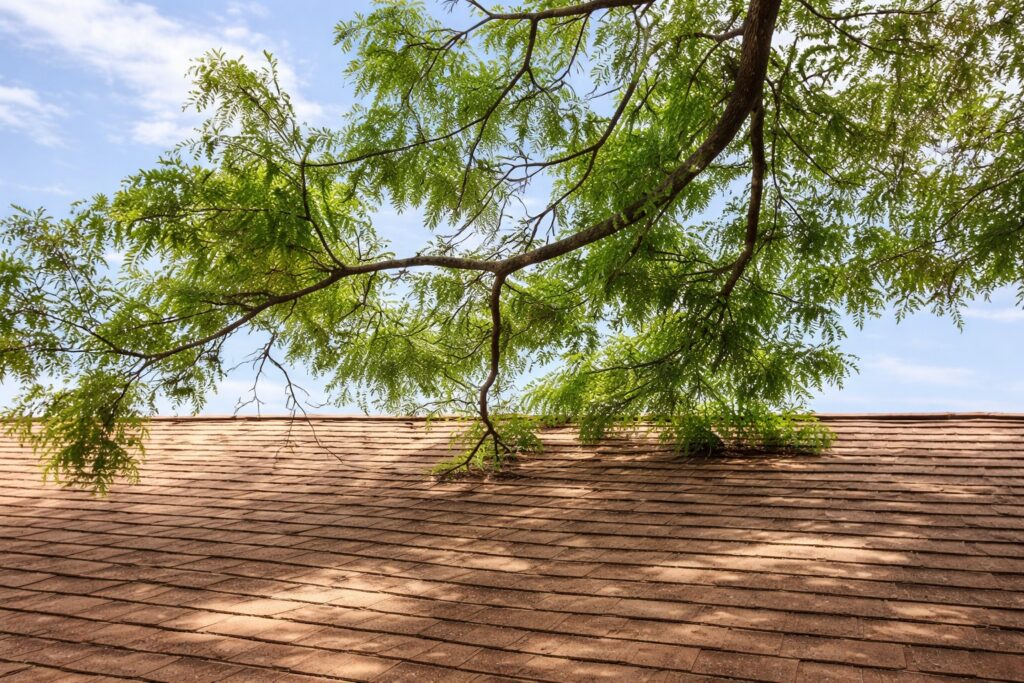
Although trees are beautiful, if they have branches that hang close to your roof, they can cause significant damage to your roof. Summer is the most effective time to trim treesso,that this type of damage does not occur to your roof.
Some of the most effective methods for maintaining a roof during the summer are to:
- Trim branches away from your roof surface.
- Remove limbs that are dying or diseased.
- Reduce the likelihood that animals will enter your roof.
By following these preventative measures, you can reduce the amount of debris that will accumulate on your roof as the summer season progresses, reducing the likelihood of developing leaks.
Weather for your roof in the fall in Oregon has mainly to do with the leaves. You need to remove debris from your roof as soon as possible. Removing debris allows rainwater to drain properly from your gutters and under your shingle(s).
A good fall roof maintenance plan contains the following components:
- Before winter arrives, make sure that all leaves and debris are removed from the roof.
- Regularly clean your gutters after significant leaf fall.
- If necessary, add gutter guards.
It is essential to follow these steps to maintain your roof, especially regarding preparing for winter weather in Oregon.
One additional consideration for preparing your roof for winter is to inspect your shingle(s) for problems before they are exacerbated by cold temperatures this season. Cold weather makes it much more difficult to make repairs than it does in warmer weather. Fall is your last opportunity to correct any issues before winter arrives.
When inspecting your roof for problems, look for:
- Missing or loose shingles
- Cracked seals on vents
- Deficient flashing
Following these proactive roof maintenance guidelines will help make sure that your roof is in good shape for the upcoming winter months with minimal surprises.
Winter Roof Maintenance Tips: Protect and Prepare for Oregon’s Weather
Oregon experiences severe winters due to the combination of rain, winds, and snowfall on rare occasions to produce the ideal conditions to cause damage to your roof. By performing proper roof maintenance during the winter months you can prevent damage and keep your home protected.
How to Prevent Ice Dams
Although ice dams are not likely to form, during periods when the temperature drops below freezing it is still possible to form an ice dam. To keep ice dams from forming, the most important thing is to make sure you have adequate insulation and a ventilated attic.
Perform the following as part of your winter roof maintenance to help prevent water from backing up under shingles:
- Inspect attic insulation.
- Inspect attic roof vents.
- Seal air leaks.
Managing the Weight of Snow and Debris
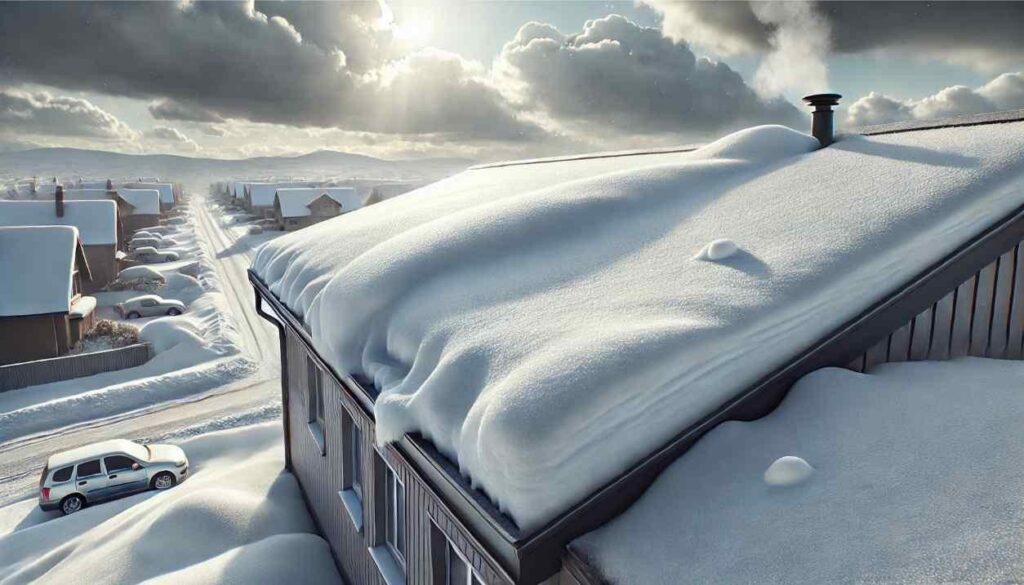
In Oregon, while snowfall is not common, heavy snow will considerably increase the weight on your roof. As such, you will want to be prepared for heavy snow accumulations.
The Following are Additional Safe Roof Maintenance Tips:
- Do not climb on an icy roof.
- Consult a professional for the safe removal of snow.
- Watch for sagging roofs and leaks.
Oregon Roof Care Tips:
Oregon’s climate is moist, which requires Oregon homeowners to pay special attention to roof care. Regular care includes regular inspections by a professional, the removal of any water that may collect on the roof, and addressing moss on the roof as soon as it appears. Knowing how to keep moisture off your roof will help you significantly reduce the impact of the weather in Oregon.
Oregon’s moist climate makes it a prime breeding ground for moss. If not cleaned off, moss will damage the shingles and continue to build up moisture on the roof. To help prevent moss from growing on a roof, here are some of the best practices for maintaining a moss-free roof in Oregon:
- Don’t pressure wash the roof; this will actually damage the shingles.
- Attach zinc or copper strips to the ridge of the roof.
- Have a professional do treatments specifically designed for Oregon roofs
Conclusion
Your roof has a seasonal journey. Spring shows the wear and tear of winter, summer determines how durable your roof is, fall gets your roof ready for rain and wind, and winter stresses out your roof more than anything.
By keeping up with roof maintenance throughout each season, you will protect your home, your investment, and keep your mind at ease. Seasonal care is not difficult, it just needs to be done consistently. If performed properly, seasonal care can save you thousands of dollars in repair costs.
When homeowners want to take good care of their roof because of the state’s unique weather conditions, professional assistance can make the process easier for them.
Recent Comments