


Introduction:
Imagine it; you’ve finally arrived and settled into your gorgeous coastal living space with the gentle sound of the waves under the soothing, coastal breeze. But, just like the charming scene you just created, you have three unseen enemies attacking your roof – salt, sand and humidity – and together they constantly work to erode your roofing materials. This is where salt air roof care becomes not just a recommendation, but the lifeline for your roof.
In this heartfelt guide to salt air roof care, you will understand why salt air roof care is important, how to protect your paradise, and when it’s the right time to call for help. And, I will sprinkle in stories so you can feel like we are just sitting over a cup of tea sharing strategies together. Let’s get started – before the next tide comes crashing in!
Salt‑Air Defense 101 – Understanding Salt, Sand & Humidity’s Silent Attack
Your coastal home is planted by the sea, and with it, the story of salt air roof care, which is more than just maintenance, it’s about protection. Let’s review the trio:
Salt Corrosion: The Invisible Rust‑Maker
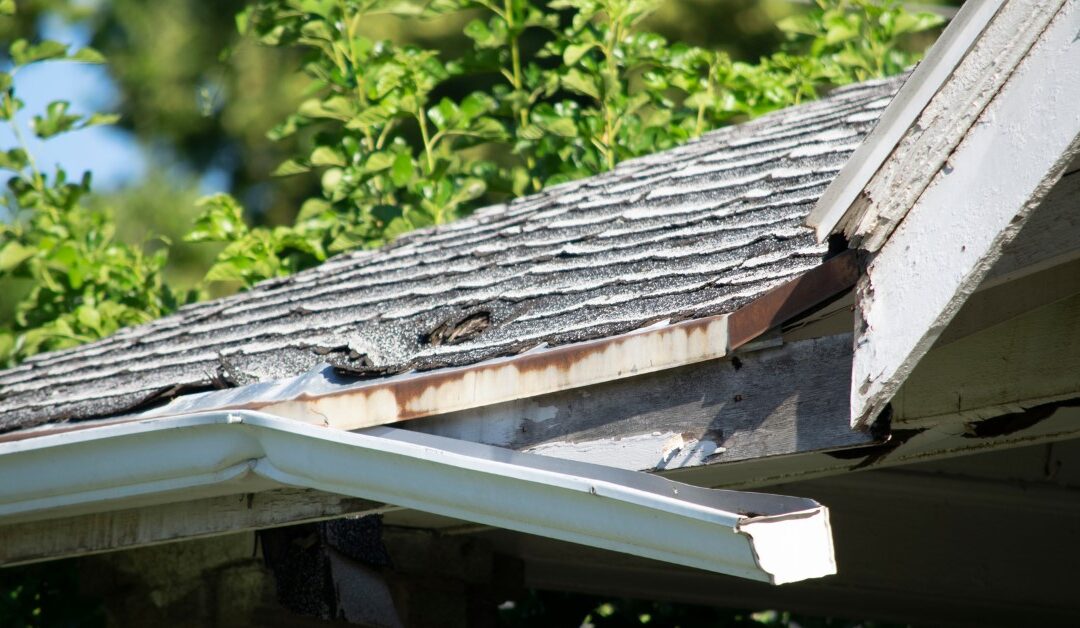
Salt crystals carried along by ocean breezes will settle onto your roof and over time, will cause metal flashing, nails, and fasteners to corrode. Even asphalt shingles are not immune—salt can loosen the granules and cause them to wear and break down faster than they otherwise would. This is why good routine maintenance practices with respect to salt air roofs are important to safeguard against long term damage and to protect the integrity of your roof over time in a coastal environment.
Windblown Sand: Tiny Scratches, Big Damage
Windblown sand is surprisingly damaging. Many people do not realize the damage that windblown sand can do to the roof. Over time, the super fine sand carried by the winds along the coast will scratch and wear down shingles, collect in the crevices of roofs, and simply clog up gutters. On its own, scruffing just affects the aesthetic of your roof, but this would also equate to a shortening of assumed roof life especially when this happens in the wake of strong storms that are prevalent with oceanfront properties.
Humidity & Moss Growth: The Unseen Invaders
Moist, salty, air creates the ideal breeding ground for moss, algae, and mildew. They not only stain but trap moisture and reduce the life of your roof.
All of these factors lead to why proper salt air roof care is not optional, it’s required. If you’re interested in [how to clean roofs in coastal areas], we have another dedicated article on “Ultimate Coastal Roof Cleaning Guide” with more tips.
5 Trendy Salt‑Air Roof Care Hacks That Actually Work Wonders
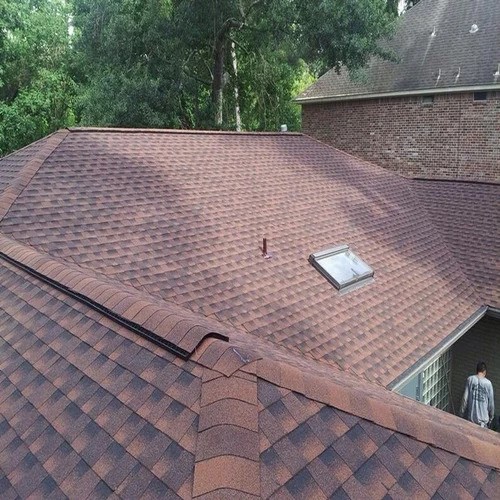
I’m about to share with you five coastal-tested tricks – in my storytelling style – your roof will appreciate:
1. Gentle Rinse at Dawn
Start your day like your roof does – with morning dew. Use a low-pressure soft wash or rinse with your garden hose (never high pressure), and remove salt film and sand. This is the first ritual of winter salt air roof care.
2. Roof‑Safe Cleansers with Algaecide
Use an eco-friendly, bleach-free cleaner with a strong focus on moss and mildew. Apply when there are dry days ahead for the sunlight to activate it. Then rinse gently after 24 hours. You’re tackling both salt plus humidity simultaneous – this is essential to winter salt air roof care.
3. Replace Shingle Granules Periodically
Look for bald or shiny areas – this is roof wear from a lack of winter salt air roof care maintenance. Whenever you find missing granules, replace them as soon as you can ensure your roof can still offer the level of water protection you need.
4. Install Zinc‑Copper Starter Strips or Zinc Strips
These wonderful and pliable strips give off metal ions which will prevent new moss growth – mother nature’s passive guard against moisture and salt induced algae growth. These are a fantastic addition to any roof maintenance plan for homes on the oceanfront.
5. Seasonal Gutter & Flashing TLC
Your gutters take away rain and salt too! Clean them at least twice a year. Remember to check the flashing around the chimney and the roof vent pipes since these are salt’s favourite corrosion areas. That is another good habit of proactive salt air roof care and one that you will thank yourself for!
If you’d like support, please check out our Coastal Roof Care Specialist services—the professionals in coastal home roof cleaning in Newport, OR.
How These Simple Steps Strengthen Your Roof’s Story
Let me tell you the story of Mrs. Lee. Mrs. Lee had her home in Newport, OR (yes – Newport OR roof maintenance does have significance!). She was diligent with these tricks. After 1 year of diligent care her roof looked more refined than when it was new, still had its gravel, no moss, the flashing was shiny. That is what consistent salt air roof care and coastal home roof cleaning can do for your home!
Each tip is a little more time you add to your roofs life, it avoids replacement, and it retains the beauty of your home. All important facts to bare in mind for coastal Oregon roof cleaning areas where salt and sand are ever harsh!
Salt‑Proofing Your Roof with Products & Coatings That Last
This section will focus on products that can make your salt air roof care easier:
Ceramic Coatings & Sealants
When it comes to effective salt air roof care, you can’t go wrong with a ceramic coating. These clear sealants are great for repelling water, resisting UV rays and providing a barrier between the shingles and salt corrosion. One application of high quality ceramic coating every 3–5 years will help to protect the longevity and appearance of your roof.
Protective Metal Flashing – Stainless Steel or Aluminum
Good salt air roof care will mean fortifying susceptible areas from corrosion, especially the flashing. In coastal or saltwater environments, it’s effective and relatively inexpensive to install a stainless steel or aluminum flashing, because replacing standard galvanized metal flashing will help to protect against rust and damage in the long run. Offshore or coastal houses experience plenty of salt water exposure, so utilizing corrosion-resistant metals should be considered standard.
Zinc‑Aluminum Gutter Guards
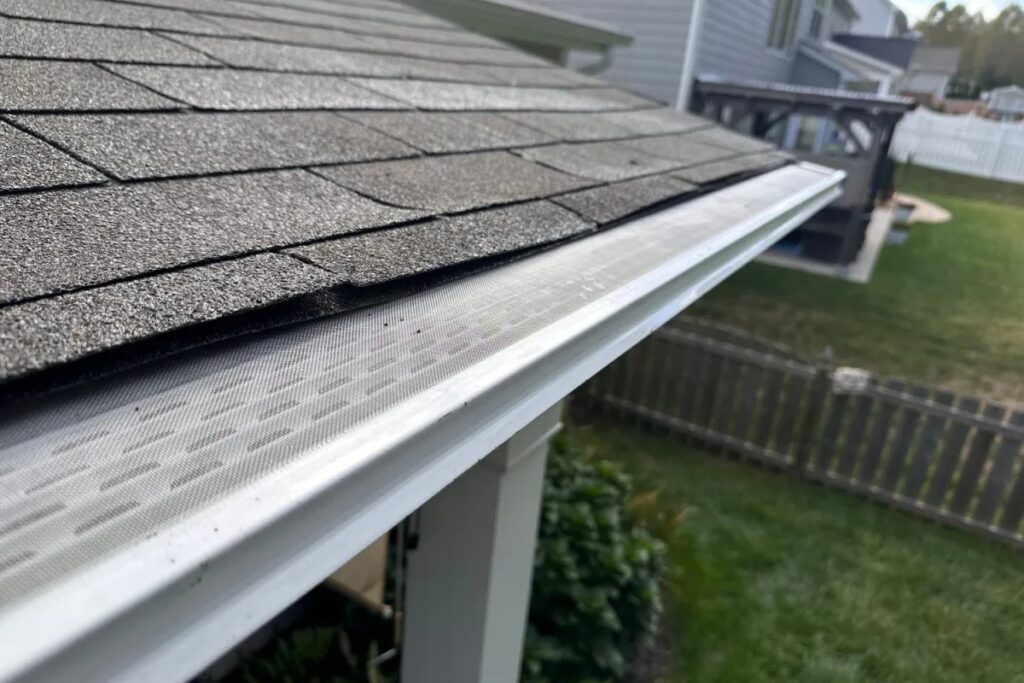
One worthwhile feature to add to your salt air roof care plan are zinc-aluminum gutter guards. One purpose of a gutter guard is to control windblown sand, debris that may build up in your gutters, and minimize rusting in coastal environments. Maintaining the performance of your gutters minimizes maintenance and protects your roof from water-damaged areas.
Eco‑Friendly Moss Killers
As part of your salt air roof care protocol, consider utilizing eco-friendly moss treatments. These biodegradable, eco-friendly formulations remove moss and algae, are phosphate free, are safe for the environment/plants and ocean runoff. Regular applications of these safe treatments will limit the damage that moss may create with start to grow in humid coastal environments.
When to Call a Coastal Roof Care Specialist—Real‑Life Signals
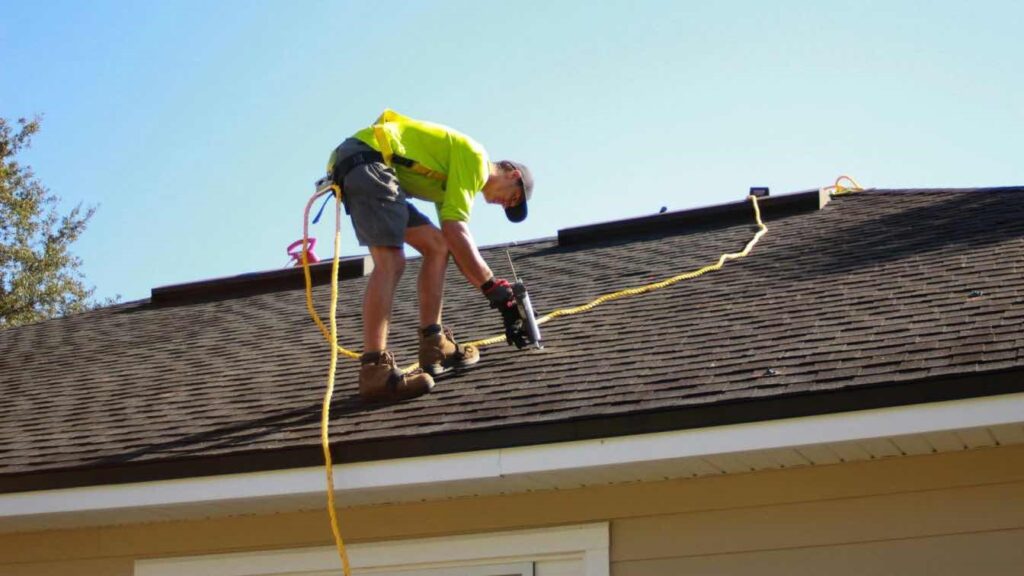
Knowing when to go pro saves time and protects your investment. Here is your buddy “roof SOS” notice:
- Are you seeing spiking salt staining or white crust on the edges of your roof? This calls for professional soft washing with corrosion inhibitors.
- Are you seeing moss or algae on large areas of your roof? You are probably not going to be able to do it all yourself. Professionals use specialized removers for humidity moss growth.
- Do you have missing shingles or rust forming on flashing/nails? That’s damage from salt air roof care neglect let an expert check for damage to the structural integrity of your roof.
- Is windblown sand accumulating building up at the ridges or valleys? Your roof needs a careful blow-off and rinse to limit the accumulation and potential abrasion combined with proper cleaning and sandy roofs care.
We specialize in coastal home roof cleaning and servicing the Newport OR roof maintenance areas. Our trained crew understands local salt spray patterns, their wind corridors, and climate-specific threats.
Myth‑Busting: Clearing Up Misconceptions in Salt‑Air Roof Care
Let’s have some “roof myth busters” fun—because just as damaging as salt itself is the glut of misinformation:
- Myth: “If I use pressure washing, I am in a good place.”
Truth: High pressure means you can strip granules and damage shingles! Always consider soft wash under salt air roof-care scenarios. - Myth: “Salt washes away with rain.”
Truth: Some rain may rinse it off, however, salt crystals are still there, and they trap moisture.Only proper rinsing and protective coatings can really help.. - Myth: “All cleaners are alike.”
Truth: Nothing could be further from the truth. Your cleaner must take on salt-film, algae, and work gently on materials. Use products that are designed for coastal roof maintenance for oceanfront homes. - Myth: “One cleaning every few years will suffice.”
Truth: Coastal roofs need to be cleaned mindfully timed, twice a year or more depending on exposure, to meet salt air roof care standards.
DIY Timeline – Your Seasonal Story of Salt‑Air Roof Care
Here are how to incorporate salt air roof care into your year.
| Season | What to Do | Why It Matters |
| Spring | Soft rinse, moss treatment, inspect granules | Salt & sand leave winter residue; moss thrives |
| Summer | Clear gutters, rinse after storms, re-coat if due | Salt buildup escalates in dry heat & breeze |
| Fall | Check flashing, install gutter guards, clean off debris | Preps roof for winter storms & humidity |
| Winter | Remove sand in valleys, monitor damage after storms | Salt and sand can hide under snow, causing rot |
Each step is part of looking after your coastal home, an ongoing story of salt air roof care.
The Heart of the Matter—Your Coastal Home’s Defense
At the end of the day, you are not just preserving roof materials, but the memory of sunsets or family weekends under one sturdy roof. For every home from coastal Oregon to Newport, these care steps will give you the confidence that your roof is standing up to the elements.
To sum up your salt-air roof care essentials with friendliness:
- Gentle rinses and seasonal cleaning
- Roof-safe, Eco cleansers + algaecides
- Protective coatings and better shingles
- Upgrade your flashing/gutters for run-off integrity
- Regular roof inspections, DIY or professional.
- Schedule deep care twice-a-year, more based on storm events.
Your salt air roof care routine is not simple maintenance; it is memorializing stories.
Conclusion:
If you live near the coast, it is important to consider regular salt air roof care to protect your home from salt, sand, and humidity will start to wear down your roof over time causing rust, moss, and premature aging. With some regular cleaning, appropriate products and professionals to help you, you can maximize your roof’s life and health. No matter whether you are located in Newport or on the Oregon coast, maintenance now equals less maintenance later.
Frequently Asked Questions (FAQs)
Q1: Does salt damage asphalt shingles?
A: Yes, salt accelerates asphalt shingle granule retirement and corrosion of different metals parts nails and flashing. This is why consistent salt air roof care—gentle rinsing, protective coatings and timely inspections—are essential.
Q2: How often should coastal roofs be cleaned?
A: Ideally, twice per year, spring and fall. If there is a lot of exposure of salt or sand in your area, and/or storms and/or nearby construction, you may want to consider quarterly roof care. If you follow this schedule, essentially, your roof will receive consistent salt air roof care.
Q3: Can I use a high‑pressure washer?
A: No, Using a high-pressure washer will harm your roof by scraping off protective granules and weakening the shingles (the finish). If performing salt air roof care use a soft wash or garden hose to perform your cleaning, this way you will not destroy a coastal roof.
Q4: What is the best coating to prevent salt corrosion?
A: The best wall coating for salt air roof care is a clear ceramic or elastomeric coating. Using these coatings protects your roof from salt, water and sun damage. When performing this upkeep ensure to apply the coating every 3 to 5 years to maintain strong durability and longevity in coastal environments.
Q5: How do I prevent moss from returning?
A: Zinc or copper strips can be used at the ridges or runoff of water as they release ions that inhibit moss; if combined with cleaning, this ensures optimal salt air roof care.
Recent Comments