


All roofs are unique. Some roofs are born clean and bright while others become too dark from dark streaks, algae growth and moss accumulation. In Oregon, these types of roofs develop quickly due to the high amount of moisture present here. Therefore, the Homeowner needs to know the proper Roof cleaning techniques.
This article will go over all major methods of roof cleaning, safe roof cleaning practices, and all of the choices that will allow the Roof to continue to be strong for a longer period.
The first thing to understand when looking at roofs in Oregon is that due to constant moisture, the roof will tend to be constantly wet and therefore the conditions will be perfect for moss and algae growth. Most Home Owners do not notice the early stages of moss and/or algae growth until it is too late, when the roof becomes a discoloured colour.
The Roof Cleaning Techniques discussed in this article will allow a Home Owner to restore their roofs to their former condition and protect the integrity of their roof from further damage.
The information contained in this article will give homeowners a better understanding of the methods used for Roof Cleaning, safety precautions, Roof Cleaning Techniques, and the Science Behind the Best Method of cleaning each roof in the unique climate of Oregon.
Modern Roof Cleaning Techniques Every Oregon Homeowner Should Be Aware of
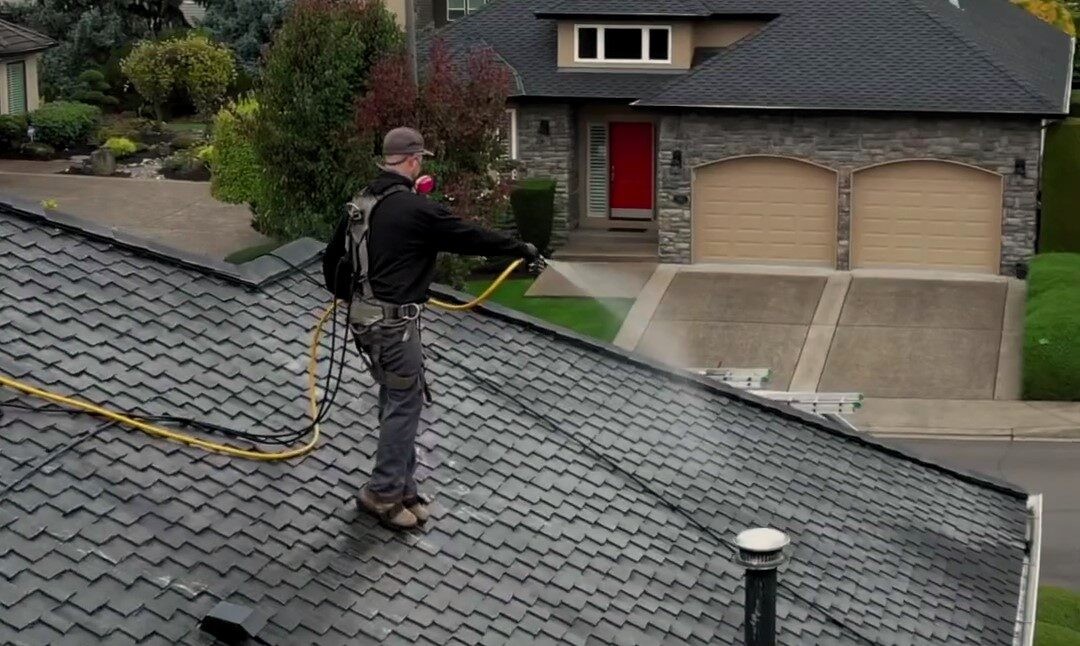
Roof cleaning has progressed considerably since the days when the only way to clean roofs was by using high-pressure washing. Today, roof cleaning methods have become more methodical, with gentle techniques backed by science and suitable for use in the state of Oregon. The three most widely accepted roof-cleaning methods used by roofing professionals are soft wash roof cleaning, low-pressure rinsing, and chemical roof cleaning.
Soft Wash Roof Cleaning – The Most Popular Method
Soft washing is the safest and most effective form of roof cleaning for roofs made from asphalt shingles and other types of fragile roof systems. This technique employs
It uses:
- Low-pressure application
- Biodegradable cleaners
- Slow-acting moss/algae cleaning solution
- Long-lasting protective formulas.
The soft washing roof cleaning technique removes moss at its roots, making it an ideal roof cleaning method in the damp, wet climate of Oregon.
Low-Pressure Roof Cleaning – Soft Rinsing, No Damage
Another popular method of roof cleaning is low-pressure roof cleaning. Low-pressure roof cleaning utilizes lower levels of pressure than those produced by high-pressure systems so that roof shingles will be protected, and no roof tiles will be displaced.
This approach is often used:
- Low-pressure cleaning is typically used
- After chemical cleaning has been completed
- To remove all loose debris from the roof
- To rinse off all the dormant moss from the roof and prepare it for maintenance work.
Both of these roof cleaning techniques remain stable while improving the overall appearance and cleanliness of the roof.
The Importance of Roof Chemical Cleaning Treatments for Algae & Moss
If you have excessive moss (more than 1 square foot) or long-standing algae stains on your roof then expect to use chemical roof cleaning as a part of your process. Roof chemical treatments will get into the base of both the algae and moss and break them down chemically. Some of the types of algae(moss), that we can treat chemically include the following:
- Black Streak Algae,
- Heavily Concreted Moss,
- All Types of Lichens,
- Any Fungal Growth;
To achieve maximum effectiveness with these roof cleaning chemical treatments, they should always be used in combination with low-pressure washing (soft wash) or a thorough rinsing of the entire roof surface by a professional.
Pairing Roof Cleaning Methods to Your Roof Material
Different roofing materials react differently to moisture, chemicals, and pressure; therefore, selecting appropriate methods for roof cleaning depends upon the specific roofing material type for a particular building.
Asphalt Shingles—The Most Common Roof In Oregon
Because asphalt shingles are soft and textured, they can easily be damaged by pressure.
The best way to clean asphalt shingle roofs is to use the following techniques:
- Soft wash
- Chemical removal of moss and algae
- Gentle low-pressure rinse (if necessary)
The industry standard for cleaning asphalt shingle roofs is soft washing. Roof cleaning techniques can ensure the roof’s long-term safety while not damaging the protective granules of the shingles.
Metal Roofs – Lifespan but Vulnerable to Moss Growth in Oregon
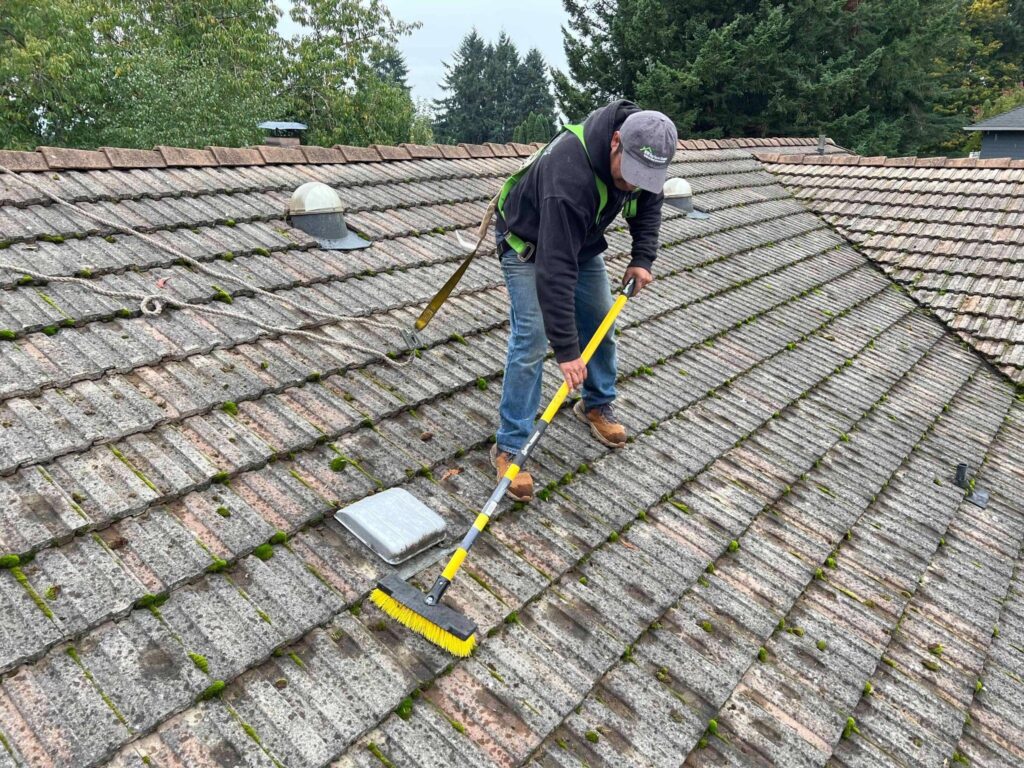
Metal roofing can last for many years, but in shaded areas and along seams, the metal is susceptible to moss growth. Below are the three roof cleaning methods for cleaning and maintaining all types of metal roofing through washing.
- Low-pressure washing
- Chemical cleaning
- Use of specialty cleaning products and treatments
Using the methods above will help to eliminate stains caused by moss and will prevent oxidation and deterioration of the roof without damaging or scratching the coating of the metal roofing.
Tile Roofs – Sturdy but Brittle
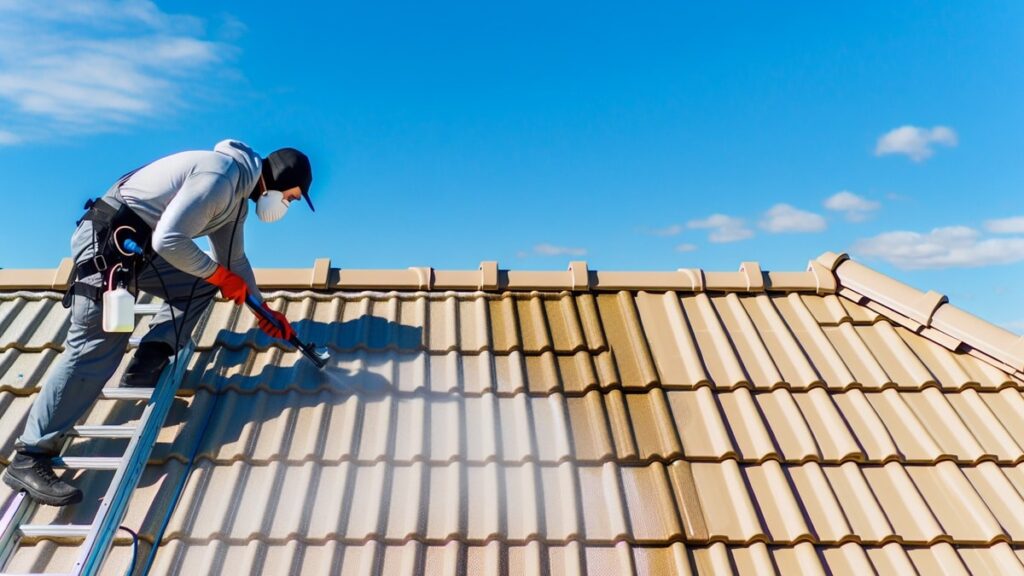
Clay and concrete are both materials used for tile roofs.. While both types of tile roofs are very strong, they can break easily when subjected to too much pressure or when they are overly scrubbed.
The techniques used by professionals for cleaning tile roofs include:
- Soft wash systems
- Controlled low-pressure rinsing
- Eco-friendly chemical solutions
Utilising these roof cleaning techniques will allow for the removal of dirt and moss from the tiles while keeping the tiles intact.
Safety First – The Smart Way to Clean a Roof
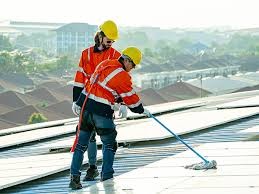
Before beginning to clean a roof, the most important consideration should be safety. Whenever cleaning a roof, proper techniques should include the appropriate planning of the roof cleaning process as well as protecting your home and landscaping and the safety of workers performing the cleaning process.
Protecting Your Property & Landscaping
Professionals take the following steps to protect the surrounding landscape:
- Use a Breathable Fabric to Cover Plant Life
- Pre-Rinse Your Lawn and Shrubs
- Use Biodegradable Solutions
- Ensure that No Chemicals are Landed in the Soil
The above steps taken when using roof cleaning techniques will allow the surrounding plant life to remain healthy during the cleaning process.
The Correct Type of Roof Cleaning Equipment for Safe Operation
Just like selecting the best cleaning product, selecting the appropriate cleaning equipment is equally important. A few commonly used types of Equipment are:
- Low-Pressure Pumps
- Precision Nozzles
- Soft Bristle Brush
- Chemical Sprayers
- Extension Wands
- Harnesses and Safety Lines
Professional technicians using these roof cleaning techniques will provide your roof with a thorough cleaning without causing any structural or cosmetic damage.
The Benefits of Selecting the Correct Roof Cleaning Methods
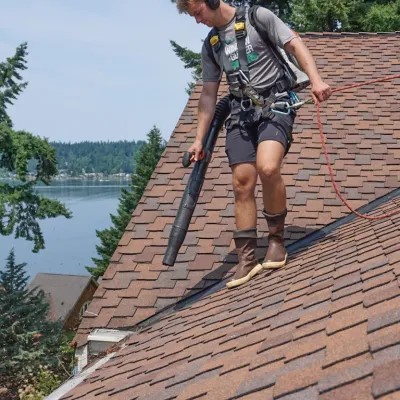
If you use an improper method of cleaning, it can result in broken shingles, water leaks, voided warranties and continued deterioration of your Roof. For example, Asphalt Shingles cannot be cleaned using high-pressure washing.
Selecting the proper roof cleaning method will provide you with:
- Increased longevity of your roof,
- Better Moisture Protection,
- Greater Algae and Moss Resistance,
- Retention of Roof Warranties,
- Lower Long-Term Costs.
Also, the right type of shower for your roof is not only a better-looking roof but also a safer roof for years to come.
How to Have an Actual Experience of Salem Using a Roof That’s Been Replaced
About a decade ago, a homeowner from Salem contacted Referred Roof Cleaning to see what they could do to help remove the overgrown moss and dark colored stains from their roof, as well as the early signs of damage to the shingles. Instead of using the damaging technique of pressure washing, the Referred Roof Cleaning Team developed three methods for cleaning roofs (shown below).
- 1. A soft wash treatment for the moss.
- 2. A deep chemical treatment.
- 3. A low-pressure rinse.
Within several days of treatment, the moss began to pull away from the roof, and the stains began to fade. In addition, the roof was back to looking like new. The homeowner was very surprised and pleased with the new look of their roof. For this reason, many homeowners in Oregon are turning to roof cleaning techniques to help prolong the life of their roofs.
Roof Cleaning Process For Oregon Homeowners
Understanding how roof cleaning professionals‘ processes work and how they apply them helps illustrate how effective cleanings can be as well. By assessing the roof beforehand, the cleaner will know which combo of roof cleaning techniques would best suit that specific roof for maximum effectiveness.
Step 1: Inspecting/Assessing
Roofing technicians may take into consideration:
- The thickness of any moss accumulation
- Distribution of algae
- Age of the roof
- Type of roof structure
- Roof material type
This information is used as an initial guideline to determine the proper cleaning method(s) used for each individual roof.
Step 2: Prepare Areas Around the Roof for Cleaning
The roof technician will protect the surrounding plants, clear gutters of debris, and remove any loose materials that could fall. This preparation helps to ensure that subsequent techniques used to clean the roof will be safe and effective.
H3: Step 3: Application of Cleaning Solutions
The cleaning solutions used during this step may include moss-killing products, algae-removal products, and eco-friendly detergents. The above products will help to loosen and break down organic growth in the area on top of the roof.
Step 4: Gentle Rinse Off or Natural Removal of Debris
Depending on the type of roof surface, the technician will choose between using a low-pressure rinse (using water) to remove debris or waiting for rain to remove it naturally. Both methods are among the most effective and safest ways to clean a roof in Oregon.
Step 5: Inspect Roof for Remaining Moss and Apply Preventive Treatment
After the cleaning has occurred, technicians will perform a follow-up inspection of the roof to determine if any moss remains alive. If a roof contains an extensive amount of moss, the roof technician will apply a preventative treatment to help prevent moss from growing back in the future. This step is the final part of the combination of roof cleaning methods that will continue to protect the home for years to come.
Roof Cleaning is Even More Vital in Oregon
The environment in Oregon supports the creation of moss and algae much better than most states. Without appropriate cleaning methods, roof damages may become permanent.
The state has high levels of moisture, experiences extended months of winter and shady spots do not dry quickly. Moss has root systems that grow beneath shingles, causing them to be lifted and ultimately create water leaks. Additionally, discoloration from algae holds more heat in the roof and can raise the attic temperature.
Only with the appropriate roof cleaning methods can homeowners properly address these natural obstacles.
Soft wash, chemical cleaning products and using low pressure make it possible to keep the roof clean and provide long-term support while keeping appealing from the curb view. If you live in the Salem area, the appropriate roof cleaning techniques provides an excellent protective barrier against the growth of additional moss and algae.
The Advantages of Professional Roof Cleaning Services
The advantage of hiring a professional to clean your roof is that they can offer safe and effective roof cleaning techniques, with each method customized to your specific roof type.
You receive:
- Extended life of the roof
- Lower Utility Bills
- A stronger, more appealing curb appeal
- Lower Repair bills
- A Safer Home structure.
Professionals use proven roof cleaning techniques that homeowners will not be able to replicate and, thus, put themselves in danger when attempting to clean their roofs.
Conclusion:
Every day, your roof provides shelter for your home; therefore, it is essential to take care of your roof as you would any part of your home. To maintain the longevity of your roof, reduce the risk of moss damage, and keep your home’s exterior beautiful, it is essential to use the correct roof cleaning techniques asphalt shingles, metal roofs, tile roofs, etc.
FAQs
1. How often should I clean my roof in Oregon?
Clean your Roof at least once every 12-24 months to help prevent possible Roof Damage from Moss growth, due to the high moisture content of Oregon.
2. Is Soft Wash a safe method to clean asphalt shingle roofs?
Soft washing is a safe way to clean your asphalt-shingled roof without damaging the asphalt granules or compromising the structural integrity of your roof.
3. Is it safe to pressure wash my roof?
No! Pressure washing will damage Roof Shingles, create leaks in the Roof, and create Roof Warranty Issues. You will want to use a Gentle, Professional Cleaning Method.
4. What is the best way to remove moss from a roof?
The combination of chemical roof cleaning products along with a soft wash system provides the best way to remove moss. A combination of both will kill the root of the moss and keep it from coming back.
5. Is there a difference between cleaning different roof materials?
Yeah, there is a difference in cleaning different roof materials, and each roof material has a specific cleaning method depending on its strength and structure. If you use the wrong cleaning technique on your roof, it will likely cause cracks, leaks, or surface damage.
Recent Comments